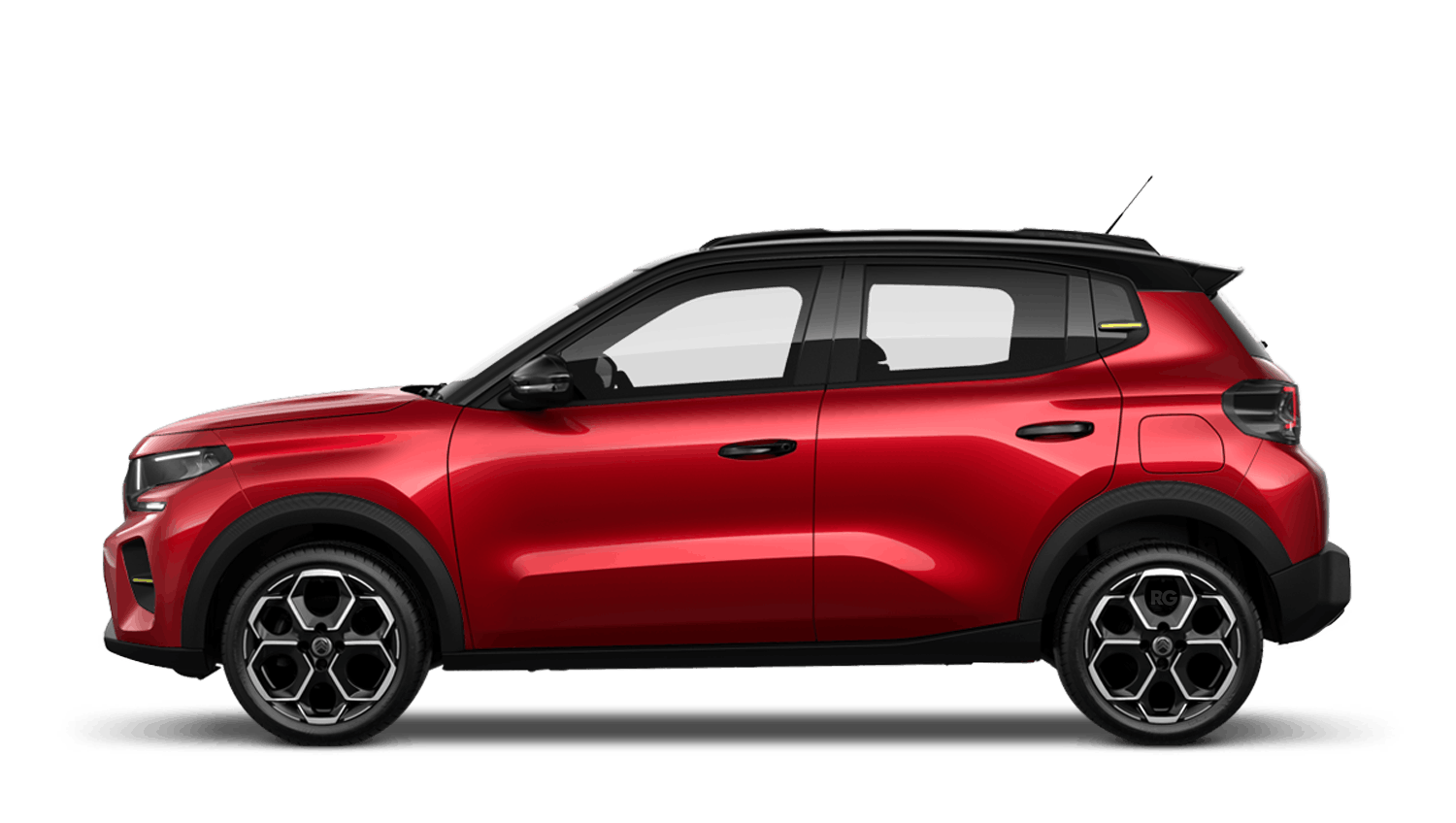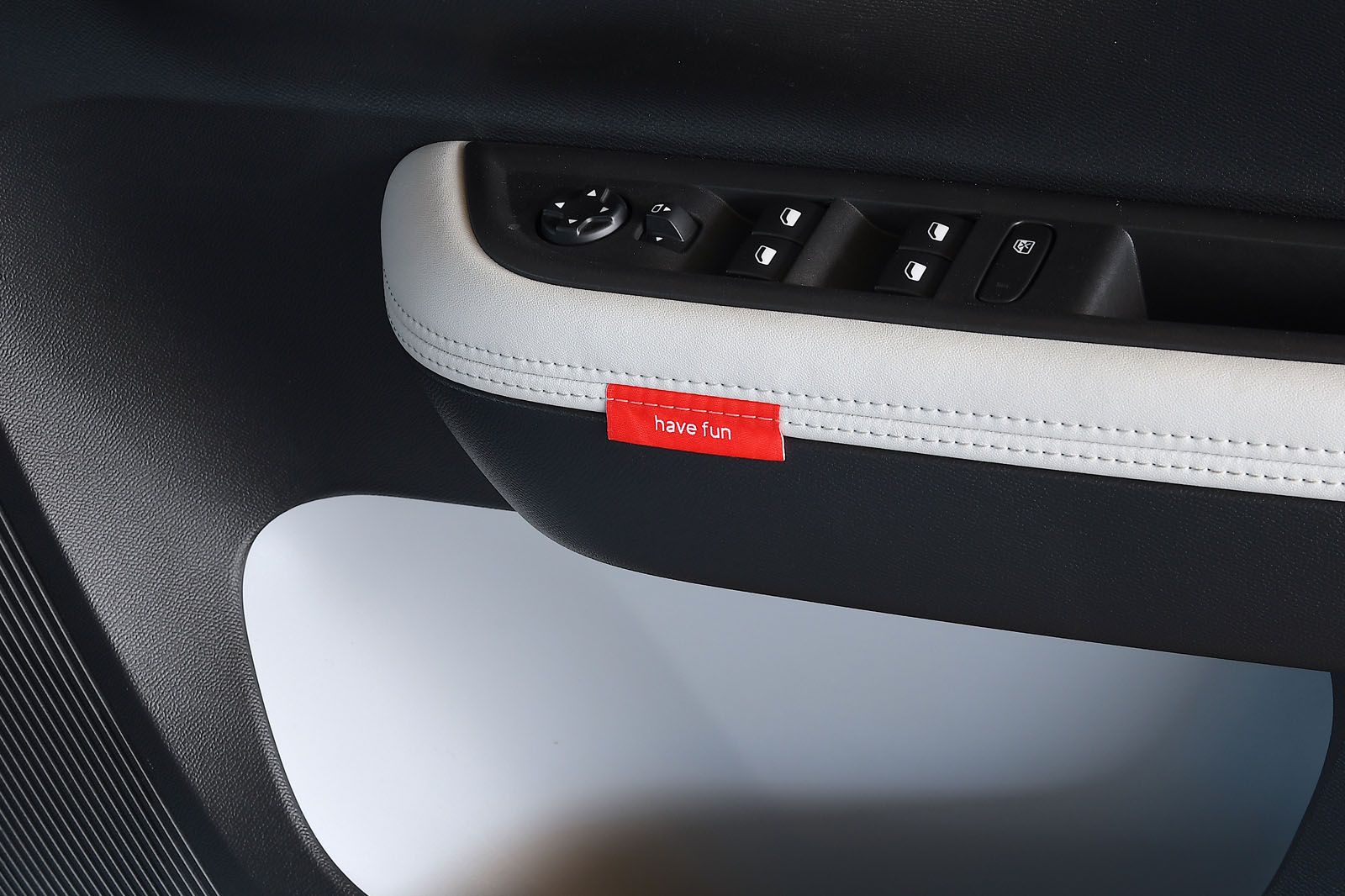
One that matches your personality. Electric cars are fun - be bold, have fun!
Personality
Award-Winning EV Retailer of the Year

With lots to discover, we're here to help answer this question and so much more!
Are electric cars better for the environment? It’s a great question and one we get asked regularly. You might be thinking ‘Yes of course!’ And you’ll be right, generally, electric cars are better for the planet, or at least more sustainable.
The electric car concept is certainly better for our planet. Electric cars generate zero local emissions, so our towns and cities are cleaner, they also reduce your carbon footprint (over a year one electric car can save 1,500,000 grams co2) - that’s the equivalent of a return flight from London to Barcelona.
But, you can also play your part by opting for a sustainable energy tariff. Green energy tariffs provide energy that’s 100% renewable, this can be from solar farms, wind turbines or hydro plants. Renewable electricity also means you can balance energy usage, save money and reduce the impact you have on our planet.
And then there’s the technology to consider! But, before we delve in we have a quick 10 question quiz to test your knowledge. If you’re an electric car expert then there’s a great prize up for grabs too! It’s easy to get started below.
Answer a few questions and you could win a fantastic prize...
Can electric car batteries be recycled?
With battery technology continually evolving it’s great to see battery longevity improve - but can electric car batteries be recycled? It’s a great question and the short answer is yes, but there’s so much more to consider too.
If we go back to the very beginning of the process, electric car batteries are manufactured using materials such as copper, aluminium and iron - but they are also constructed using precious materials, including lithium, graphite, cobalt, nickel and manganese. This means some of the materials are finite and recycling is a must - especially to keep up with demand.
Recycling is a great option if your battery is at the end of its life - but realistically electric car batteries are often repurposed and actually upcycled. Why? Electric car batteries are thermally efficient with active cooling technology keeping everything at the optimum temperature to prolong the life of the battery.
And then there’s the onboard charger which regulates charging speed to protect the battery from overcharging, while prolonging its life. Electric car battery longevity is well documented with several models exceeding 100,000 and 200,000 miles on the original battery. Some Tesla models have travelled over 430,000 miles! - including this one Auto Trader reviewed. And the best bit, this model has only lost around 65 miles from the maximum range. Incredible!
But recycling can also mean repurposing. The good news is this is already happening. Even if an old electric car battery has a small capacity remaining, the uses are still very real with lots of businesses and homes up and down the country seeing the benefits.
Toyota, Nissan and Renault repurpose their own electric car batteries through recycling programmes. How are they used? Everything from powering appliances and fridges to food warmers in their canteens. It’s affordable, clean energy that supports their sustainability objectives.
Don’t forget you can also use batteries as energy storage for your home. This is an affordable solution to access reliable energy and reduce your reliance on the grid - if you have solar panels then the savings are very real!
And if you’re concerned about the longevity of an electric car battery - don’t be. At FOW Car Supermarket we perform a comprehensive battery health check on every electric car as standard. This displays the maximum battery capacity as a %, alongside the usable capacity and real world range - Summer and Winter. It means you can buy your new electric car with confidence.
Looking after our planet together
Personality
And how they can be sustainable
Electric cars are designed to be sustainable. From pre-production, manufacturing techniques and the materials used to their aerodynamic design. There’s lots to love about electric cars.
And the good news is electric cars have fewer moving parts than an equivalent petrol or diesel car. This means there’s less to go wrong and more to enjoy! But how do electric cars work? Electric cars are equipped with a battery pack and electric motor (some have two electric motors providing all-wheel-drive). The battery sends power to the electric motor(s) which then drives the wheels.
Because the energy stored in the battery is available instantly - so too is the power! Torque is available straight away, acceleration is urgent and power loss is minimal. Electric cars are inherently more thermal efficient and with brake regeneration technology they can even send power back to the battery through braking - this is energy that’s normally lost with a petrol or diesel car.
But, some electric cars have a party trick - Vehicle to Load (V2L). With Vehicle to Load and a sustainable energy tariff you can power household appliances using your electric car - everything from a fridge/freezer to a washing machine. Vehicle to Load transforms your car into a big power station - ideal for day to day use, holidays away or during power cuts.
This has two benefits: 1) it helps balance energy usage, reducing demand during peak times and 2) Means you can top up the battery more sustainably overnight, while saving money!
So, electric cars are sustainable, inexpensive to maintain and better for our planet. If you would like more information, or to test drive an electric car you can chat to our team in Winsford, Cheshire or Trafford, Manchester. At FOW Car Supermarket we’re here to help.
Simply enter your reg and mileage to get started.